
TechCrunch AIInfrastrukturaPopularność 58
24.11.2026 TechCrunch AI poinformował, że zdaniem inwestora Crusoe energia słoneczna i magazynowanie energii to oczywisty wybór do zasilania przyszłych centrów danych AI, które — jak wynika z artykułu — będą co roku potrzebować dziesiątek gigawatów mocy.
Znaczenie biznesowe: Jeśli przedstawiona ocena zapotrzebowania na energię jest trafna, planowanie przyszłych centrów danych AI może obejmować analizę możliwości wykorzystania energii słonecznej i magazynowania energii. Wnioski te są warunkowe i nie zostały potwierdzone jako oficjalne stanowisko Crusoe ani decyzja biznesowa tej firmy.

AWS Machine Learning BlogInfrastrukturaPopularność 67
AWS poinformowało, że druga część przeglądu obejmuje kolejnych 13 premier Amazon SageMaker AI inference z 2026 roku, zwiększając zgłoszoną łączną liczbę premier w tym roku do 26.
Znaczenie biznesowe: Wymienione obszary mogą być istotne dla organizacji oceniających konfigurację Amazon SageMaker AI inference, rozmieszczenie modeli, obsługę dużych modeli, routing między regionami lub optymalizację po premierze.
AWS Machine Learning BlogInfrastrukturaPopularność 49
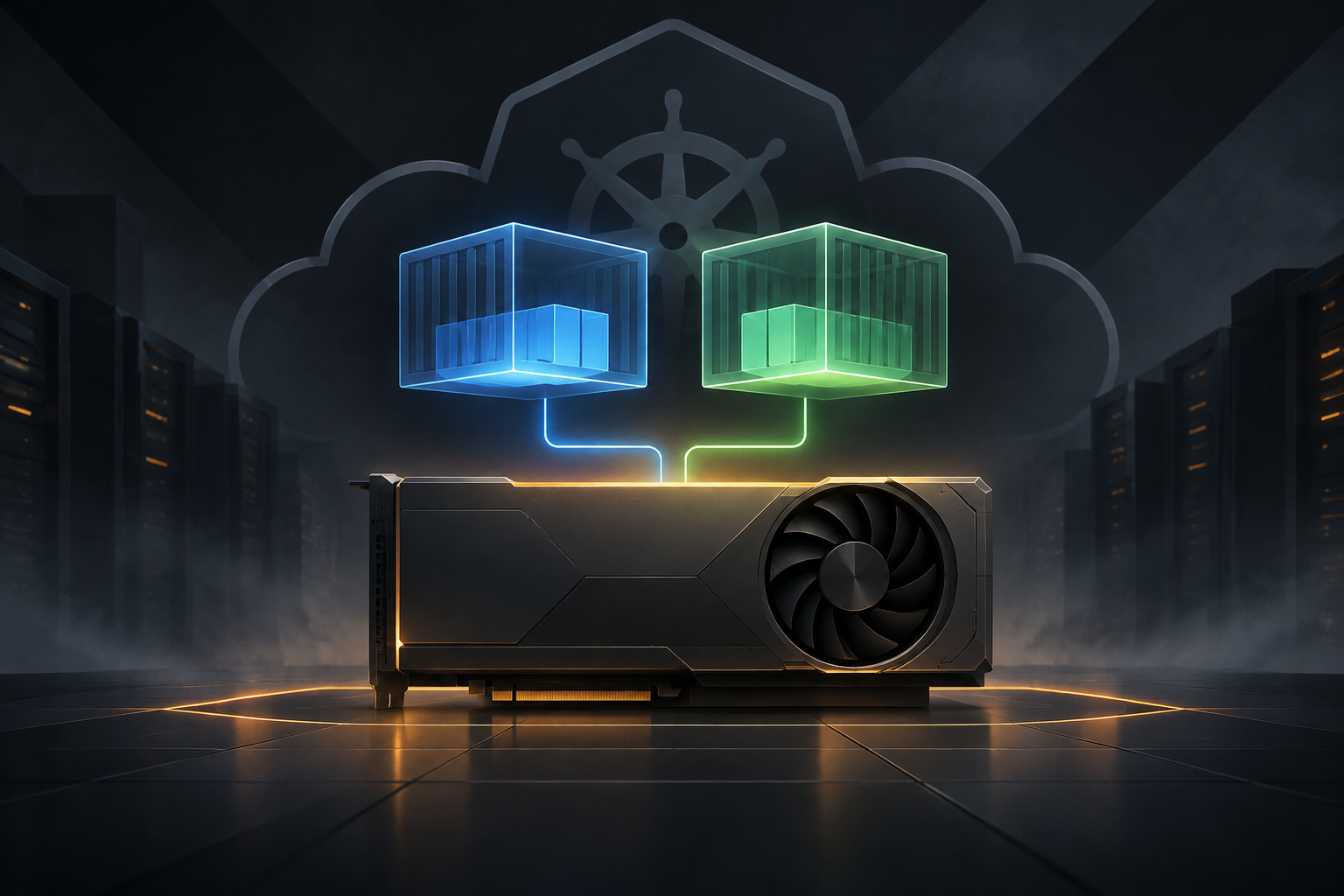
On 2026-11-19, the AWS Machine Learning Blog published a reported walkthrough for running two memory-bounded Kubernetes Pods on one NVIDIA A10G GPU using open-source NVIDIA Run:ai GPU Fractioning on Amazon EKS.
Znaczenie biznesowe: If applicable to an organization’s Amazon EKS workloads, the described approach could support evaluating shared use of a single NVIDIA A10G GPU by two memory-bounded Pods. The excerpt does not establish production suitability or access availability.

AWS Machine Learning BlogInfrastrukturaPopularność 58
On 2026-11-18, AWS Machine Learning Blog reported that Salesforce uses the cross-Region inference router in Amazon SageMaker AI to combine capacity across Regions for global-scale model serving.
Znaczenie biznesowe: If applicable to an organization’s architecture and requirements, the reported approach could support more reliable model serving across fragmented Regional capacity while preserving data residency controls and improving request-level operational visibility. These are advisory implications, not independently verified outcomes.

The Verge AIRegulacjePopularność 61
Reported poll data released 2026-09-15 by The New York Times and Siena University found that 61 percent of 1,503 likely voters surveyed in early September 2026 opposed constructing data centers to power AI technology, while 14 percent strongly supported it. Claim risk: OPINION; assertion status: reported; requires secondary source.
Znaczenie biznesowe: Businesses pursuing data center construction for AI technology may face public opposition and related stakeholder concerns. No monetary amounts or availability dates were provided.
AWS Machine Learning BlogAgenci AIPopularność 49
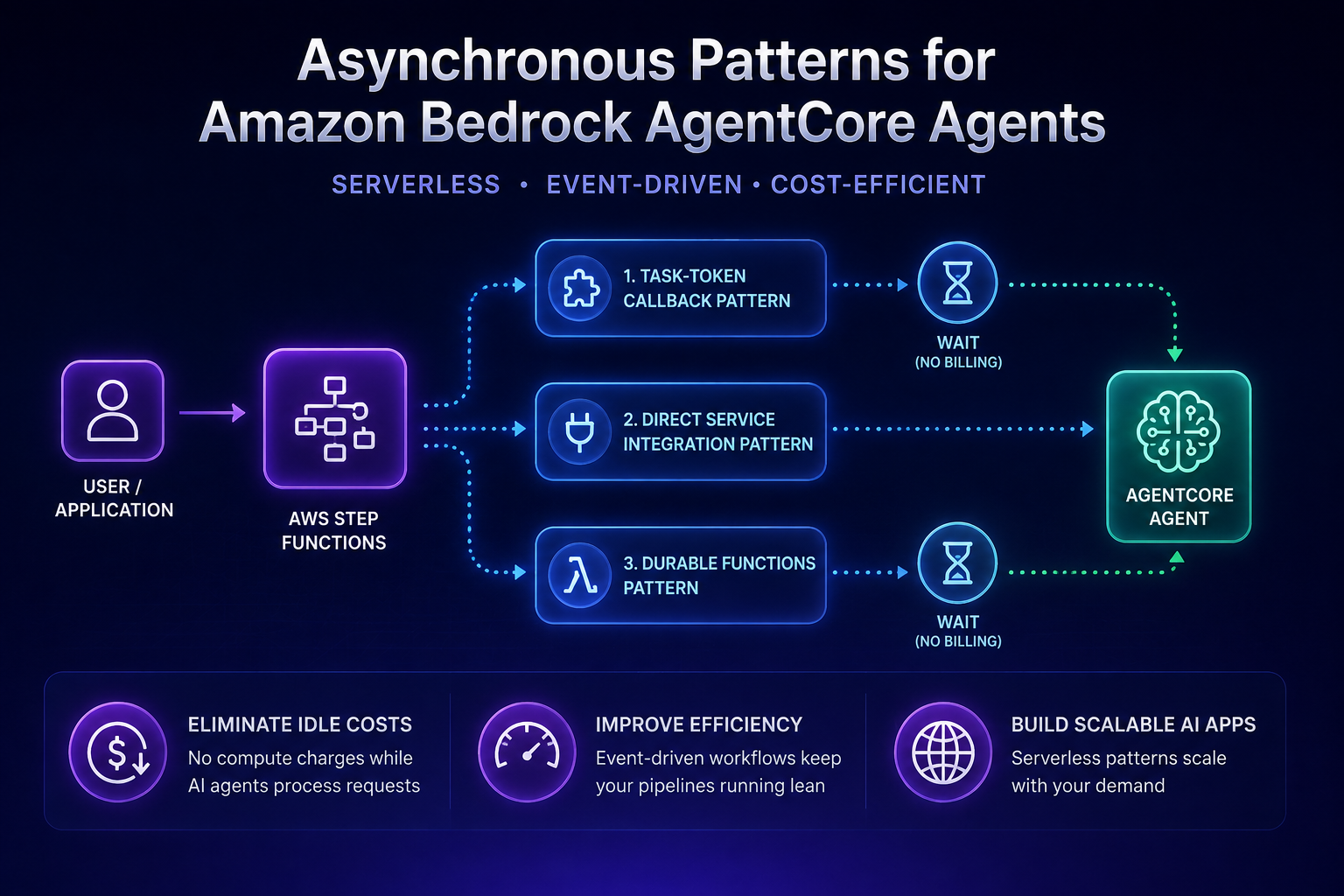
On 2026-08-19, AWS published a blog post detailing three serverless patterns—task-token callback, direct service integration, and durable functions—for asynchronously invoking Amazon Bedrock AgentCore agents from AWS Step Functions pipelines. These patterns eliminate idle compute costs while the AI agent processes requests.
Znaczenie biznesowe: By adopting these asynchronous invocation patterns, businesses can optimize resource utilization and lower cloud compute costs when integrating Amazon Bedrock AgentCore agents into their serverless pipelines.

TechCrunch AIInfrastrukturaPopularność 49
Alphabet, Google's parent company, is reportedly developing a new AI chip aimed at improving the efficiency of its Gemini models, according to a report published on 2026-07-20.
Znaczenie biznesowe: The new chip could provide Alphabet and Google with a competitive advantage by optimizing their AI capabilities, enabling more advanced applications and services while potentially reducing infrastructure expenses.
AWS Machine Learning BlogInfrastrukturaPopularność 42
Smartsheet developed a remote MCP server using AWS infrastructure. The architecture emphasizes security, governance, scaling, and deployment. AI-specific optimizations were integrated to enhance performance on AWS.
Znaczenie biznesowe: Improved AI deployment efficiency and governance can reduce costs and risks.
Hugging Face BlogInfrastrukturaPopularność 49
NVIDIA NeMo Automodel now supports fine-tuning of video and image models at scale. This integration works with Hugging Face's Diffusers library to simplify model customization. It enables developers to efficiently adapt generative models for specific tasks and datasets.
Znaczenie biznesowe: Companies can reduce time and cost to deploy customized video and image AI solutions.
NVIDIA BlogInfrastrukturaPopularność 59
NVIDIA introduced Vera Rubin, a system designed to maximize intelligence per dollar for post-training AI workloads. It achieves the lowest cost per token through extreme codesign optimization. This advancement is crucial for cost-effective agentic AI development.
Znaczenie biznesowe: Businesses can reduce operational expenses while improving AI performance.

TechCrunch AIInfrastrukturaPopularność 51
A $400 million loan secured by inference chips highlights a shift in AI infrastructure financing. Early GPU investors are now focusing on inference chip technology. This deal signals growing confidence in specialized AI hardware beyond GPUs.
Znaczenie biznesowe: This could accelerate development and adoption of inference-optimized AI chips in the industry.

VentureBeat AIInfrastrukturaPopularność 42
Enterprises are rapidly increasing AI infrastructure spending but struggle to measure its true costs. Most rely on hyperscalers and model-provider APIs, yet plan to evaluate specialized AI clouds and alternative accelerators soon. GPU utilization is low, and fewer than half rigorously track compute costs, creating a significant visibility gap in AI economics.
Znaczenie biznesowe: This gap may lead to wasted investment and challenges in optimizing AI compute resources.